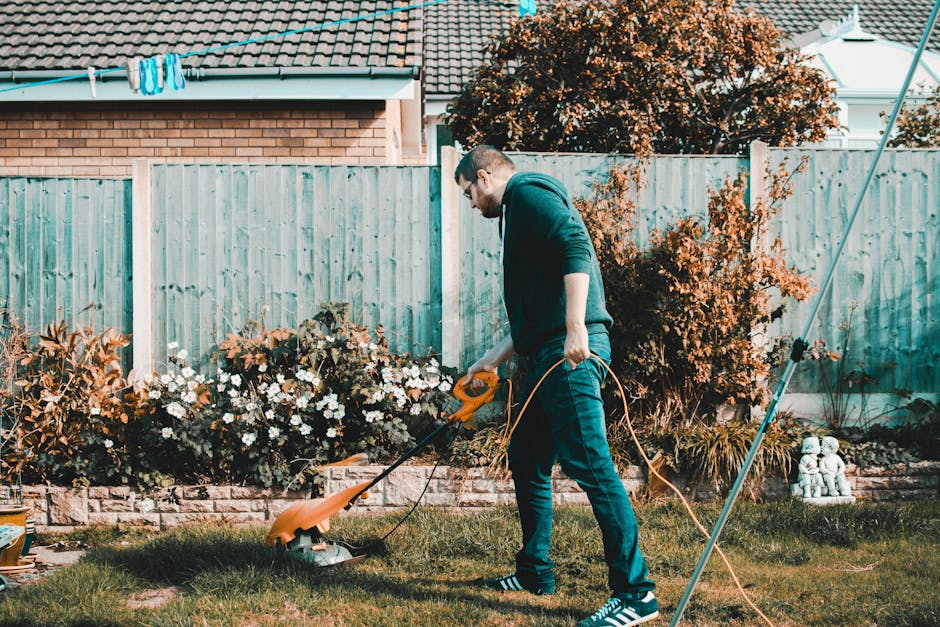
Common problems with weekend garden maintenance in Kingston
Weekend garden maintenance sounds simple enough: a few hours on Saturday, maybe a bit of pruning on Sunday, and the place should look tidy again. In reality, the common problems with weekend garden maintenance in Kingston tend to show up fast. Jobs overrun, weather turns, bins fill up, and what looked like a manageable tidy-up becomes a half-finished mess by late afternoon. To be fair, that happens more often than people admit.
If you live in Kingston, you also have the usual London complications layered on top: limited parking, busy family schedules, tight outdoor spaces, and gardens that need more than a quick mow and a sweep. This guide walks through the real issues people run into, why they matter, and how to handle them without wasting the whole weekend. You'll also find a checklist, a comparison table, and practical advice for deciding when DIY is enough and when it makes more sense to use a professional service such as garden maintenance or services overview.
Table of Contents
- Why the issue matters in Kingston
- How weekend garden maintenance usually works
- Key benefits and practical advantages
- Who this is for and when it makes sense
- Step-by-step guidance
- Expert tips for better results
- Common mistakes to avoid
- Tools, resources and recommendations
- Law, compliance, standards and best practice
- Options, methods or comparison table
- Case study or real-world example
- Practical checklist
- Conclusion
- Frequently asked questions
Why Common problems with weekend garden maintenance in Kingston Matters
Weekend maintenance matters because gardens rarely fail all at once. They drift. A lawn gets patchy, hedges creep out, weeds settle into borders, and one broken branch suddenly makes the whole space feel untidy. In Kingston, where many homes have compact front gardens, shared access, or modest back spaces, that drift can feel even more obvious. There's not much room for clutter, so every missed task stands out.
The practical problem is time. Weekends are when most people in Kingston want to relax, see family, get out for the day, or do everything except wrestle with a hedge trimmer in the drizzle. Garden work competes with life, basically. If the task list is not realistic, it gets postponed. Then the jobs stack up, and by the time you return to them, they're bigger, heavier, and a bit more annoying than they should be.
There is also a safety angle. Slippery paving, overgrown steps, unstable branches, and poor visibility around paths can become genuine hazards. A tidy garden is not just about looks. It's about being able to move around safely and keep the space usable, especially if children, older relatives, or guests are around.
Expert summary: The biggest weekend gardening problem is rarely the garden itself. It is the mismatch between the size of the job and the amount of time, energy, and equipment available.
How Common problems with weekend garden maintenance in Kingston Works
Most weekend maintenance follows a predictable pattern. You start with intention, see a few obvious jobs, and then discover the rest. A simple lawn cut reveals moss, the hedge trim creates more waste than expected, and the patio needs sweeping before you can even start. Suddenly the plan has changed twice already.
In Kingston, many gardens also come with access constraints. Equipment may need carrying through the house or down narrow side passages. Green waste bags need somewhere to go before collection. If you share boundaries with neighbours, you may also need to think carefully about noise and debris. That's the reality people don't always factor in on Friday night.
Weekend garden maintenance works best when it is treated as a sequence, not a single task. Clear the site first. Remove waste. Deal with the highest-priority safety issues. Then move to detail work. If you skip that order, you end up re-cleaning areas you already touched. Frustrating, but common.
This is also where services such as lawn mowing, hedge trimming, and garden clearance can make a practical difference. They help break a large, messy job into manageable parts, which is often the real win.
Key Benefits and Practical Advantages
It's worth saying this plainly: weekend garden maintenance can work very well when the scope is realistic. The benefits are not glamorous, but they are solid.
- More usable outdoor space - you can actually sit out, move around, and enjoy the garden rather than "meaning to sort it out".
- Better safety - fewer trip hazards, lower risk from overhanging branches, and clearer access paths.
- Lower long-term effort - steady maintenance usually prevents larger catch-up jobs later.
- Improved appearance - neat edges, trimmed growth, and cleared beds make the whole property feel looked after.
- Less stress - which is not nothing. Let's face it, a tidy garden does take some pressure off your head.
There is another, less obvious benefit: weekend maintenance helps you notice problems early. A patch of lawn damage, a leaning fence panel, or water pooling near a deck is much easier to address when caught promptly. For homes with outdoor timber structures, pairing routine upkeep with decking services or broader landscaping support can stop small issues turning into awkward repairs.
Who This Is For and When It Makes Sense
This topic matters to anyone who tries to fit gardening into a packed weekend, but it is especially relevant if you fall into one of these groups:
- Homeowners with small or medium gardens that need regular attention
- Busy families trying to keep outdoor space functional, not perfect
- Landlords and property managers preparing a garden for viewings or tenant changeovers
- Older residents who can manage light jobs but not heavy clearance work
- People with gardens that have become overgrown after a busy season or a stretch of bad weather
It also makes sense for anyone who has tried the "I'll do it all on Saturday morning" approach and ended the day covered in grass, with half a hedge still left and a very noticeable ache in the lower back. Been there, as they say.
If the garden has become difficult to manage, weekly maintenance might be a better fit than weekend-only blitzes. In some cases, a more structured plan through garden maintenance is simply more sensible than trying to reset everything every other Sunday.
Step-by-Step Guidance
If you want weekend maintenance to feel less chaotic, use a simple order of operations. It sounds basic, but structure saves time.
- Walk the garden first. Look for safety issues, fallen branches, blocked drains, broken edging, and anything that could slow the work down.
- Gather waste before you start cutting. Clear toys, pots, hoses, and random clutter. It saves a lot of stopping and starting.
- Prioritise the biggest visual problems. Usually that means grass, hedges, and obvious weeds.
- Work from top to bottom. Trim hedges and higher growth first, then mow or sweep below. Otherwise you clean twice.
- Bag and remove waste as you go. Don't let cuttings pile up. They get in the way and make the garden feel bigger than it is.
- Finish with detail work. Edges, patio sweeps, border tidy-up, and a final check for anything you missed.
A good rule is to stop before fatigue turns into sloppy work. If you're on the tenth wheelbarrow load and your attention has gone, that's the point where mistakes start creeping in. Sometimes it is better to finish neatly on Sunday than force everything into Saturday afternoon.
Expert Tips for Better Results
There are a few habits that make weekend garden maintenance noticeably easier.
1. Plan around weather, not around hope
Kingston weather can flip quickly. A dry morning may turn into a damp, slippery afternoon. If you need to mow, edge, or trim, check the timing carefully and do the most weather-sensitive tasks early. Wet grass clumps, pruning becomes messier, and waste collection gets more awkward.
2. Keep your kit ready before the weekend
A missing extension lead or blunt blade can wreck momentum. Store the basics together if you can: gloves, secateurs, shears, lawn tools, bags, and ties. Small thing. Big difference.
3. Use a "good enough for now" mindset
Weekend jobs do not need to solve every issue in one go. Truth be told, trying to perfect the garden in one weekend is a fast track to frustration. Focus on making it safe, tidy, and maintainable. That's usually the smart win.
4. Break the work into zones
Front garden, back garden, borders, paths, bins, fence line. Treat each one separately. It keeps the job visible, which helps motivation. It also stops the classic problem of starting everywhere and finishing nowhere.
5. Watch the hidden jobs
Some tasks are easy to miss: dead stems under shrubs, blocked corners, damp leaves at the base of fences, or weeds growing through gravel. These are the little things that make a garden feel tired. They are not dramatic, just persistent.
If the work repeatedly outgrows your weekends, it may be time to bring in support from services like lawn mowing or hedge trimming so you can keep on top of the basics without turning every weekend into a rescue operation.
Common Mistakes to Avoid
Most weekend garden maintenance problems are caused by a few predictable mistakes. The good news? They're fixable.
- Starting with the "easy bit" and never reaching the hard bit. That's how the important work gets postponed again.
- Using the wrong tools. Dull blades, tiny shears for thick growth, or a mower set too low can create more damage than progress.
- Ignoring waste disposal. If you do not plan for cuttings and rubble, the garden ends up looking worse after you finish.
- Trying to do too much in one go. Fatigue is a real issue. So is rushing.
- Overlooking safety. Wet steps, unstable ladders, and tree work above shoulder height deserve extra caution.
- Leaving structural issues alone. If a fence, wall, path, or deck needs attention, maintenance alone won't fix it.
One slightly embarrassing but common example: people spend an hour trimming a hedge, then realise the clippings have buried the border plant underneath. Funny for a minute. Annoying for the next hour. Little oversights like that are exactly why a clear plan helps.
Tools, Resources and Recommendations
You do not need a shed full of kit to keep a Kingston garden under control, but you do need the right basics.
| Task | Useful tools | Common problem if missing |
|---|---|---|
| Lawn care | Mower, edging tool, rake | Uneven finish, missed corners, clumps left behind |
| Hedge trimming | Hedge shears or trimmer, gloves, eye protection | Ragged cuts, sore arms, poor shaping |
| Clearance | Heavy-duty bags, fork, wheelbarrow, rake | Piles of waste slowing everything down |
| Pruning | Secateurs, loppers, pruning saw | Crushed stems, damaged plants, tired hands |
| Hard surface tidy-up | Broom, pressure washer where suitable, scraper | Slippery patios and messy paths |
Beyond tools, one of the best resources is simply a realistic plan. Write down the three most important jobs before you start. Not ten. Three. If you have time left, you can always add more. That small bit of discipline keeps weekends from dissolving into garden chaos.
For larger clear-outs or overgrown spaces, it can help to look at garden clearance as a separate job rather than trying to tack it onto routine maintenance. Same for trees that need care above ground level; that is where tree lopping and removal becomes the more appropriate route, especially when safety is a concern.
Law, Compliance, Standards and Best Practice
Garden maintenance is not usually a heavily regulated activity for a homeowner, but there are still sensible standards to follow. Safety comes first. If you are using ladders, power tools, or handling heavier waste, you should work within your own ability and avoid shortcuts. If something feels unstable or beyond your skill level, it probably is.
In shared or built-up parts of Kingston, courtesy matters too. Noise, overspray, debris, and access can affect neighbours. Weekend work is more noticeable because people are home. That does not mean you cannot do it, just that timing and tidiness matter more than they might on a weekday.
For professional services, it is reasonable to expect clear information about insurance, safety practices, payment handling, and complaint routes. Those are all normal trust signals. If you are comparing providers, it can be useful to review pages such as insurance and safety, health and safety policy, payment and security, and complaints procedure. That is just sensible due diligence, really.
Environmental best practice matters as well. Try to separate green waste from general rubbish where possible, and think carefully about recycling or reuse. A lot of garden waste does not need to become landfill if it can be handled responsibly. If sustainability is part of your decision-making, a company's recycling and sustainability approach can tell you a fair bit about how they work.
Options, Methods, or Comparison Table
People usually tackle weekend garden maintenance in one of three ways: pure DIY, occasional professional help, or a regular maintenance plan. Each has its place.
| Approach | Best for | Strengths | Weak spots |
|---|---|---|---|
| DIY weekend tidy-up | Small, light-touch gardens | Low direct cost, full control, flexible timing | Can overrun, easy to miss problems, physically tiring |
| Occasional professional help | Seasonal clear-ups or catch-up jobs | Good for larger tasks, faster results, less disruption | Less suited to tiny jobs if done too rarely |
| Regular maintenance plan | Busy homes or gardens needing consistency | Prevents buildup, easier to budget, less weekend pressure | Less hands-on control, ongoing commitment |
If your garden only needs a few quick tasks each weekend, DIY is usually fine. If every weekend starts with a sigh and ends with a pile of half-finished jobs, it's probably not a time-management issue anymore. It's a maintenance model issue.
Case Study or Real-World Example
A fairly typical Kingston scenario: a two-person household with a back garden that looked fine in spring but slipped badly after a few busy months. The lawn had gone long, the hedge was spilling over one side, and there was a build-up of leaves and trimmings near the fence. The owners planned to sort it all on a Saturday.
By 11 a.m., the mower had done half the lawn, but the cuttings were too heavy because the grass had been left too long. The hedge produced more waste than expected, and the bags they had ready filled up far faster than planned. The patio still needed sweeping, and there was no space left to store the debris neatly. Not a disaster, just one of those days.
The fix was simple in hindsight. They split the job into two stages: one visit for clearance and structural cutting, then a second session for finer tidying. They also switched to a lighter maintenance rhythm afterward, so the garden stayed under control. The outcome was not dramatic, but it was better: less stress, less waste, and a garden they could actually use at the weekend.
That kind of example is common because most gardens do not fail due to neglect alone. They fail because the work is left too long, then squeezed into too little time. Happens all the time.
Practical Checklist
Use this before you start weekend work. It saves a lot of faffing about.
- Check the weather and choose the right day or time window
- Decide the top three jobs before picking up any tools
- Make sure waste bags, bins, or disposal plans are ready
- Clear toys, pots, hoses, and loose items from the work area
- Inspect paths, steps, and borders for safety issues
- Confirm your tools are charged, sharp, and safe to use
- Start with the biggest or messiest task first
- Work from top to bottom to avoid cleaning twice
- Keep hedges, grass, and waste separate where practical
- Finish with a quick walk-through to spot missed areas
- Stop if fatigue makes the work sloppy or unsafe
If your checklist is already too long before you begin, that's a clue. The garden may need a larger reset than a single weekend can comfortably handle.
Conclusion
The common problems with weekend garden maintenance in Kingston usually come down to time, access, weather, and scale. A job that looks small from the kitchen window can easily turn into a full afternoon once you start moving waste, trimming growth, and dealing with the little messes hiding underneath. That's normal, not a failure.
The smartest approach is to keep weekend tasks realistic, do the most important work first, and treat overgrown or safety-sensitive areas separately. Where the job is bigger than the time available, bringing in help is often the more practical choice. It can save the whole weekend and, frankly, your patience too.
If you want a tidier garden with less hassle, start with a clear plan and the right level of support. A small, steady routine beats a heroic all-day scramble more often than not. And once the garden is back under control, the weekend feels like yours again.
Get a free quote today and see how much you can save.
Frequently Asked Questions
What are the most common problems with weekend garden maintenance in Kingston?
The main problems are lack of time, unpredictable weather, too much waste, limited access, and underestimating how long each job will take. In Kingston, small outdoor spaces and busy weekends make those issues even more noticeable.
Why does weekend gardening take longer than expected?
Because one task usually reveals three more. You start mowing, then notice the edges, then the hedge, then the weeds under the fence. That domino effect is very common.
Is it better to do garden maintenance on a weekend or spread it through the week?
For many people, small weekly tasks are easier than one big weekend session. If your schedule allows it, spreading jobs out usually reduces fatigue and keeps the garden more manageable.
What jobs should I prioritise first?
Start with safety issues, then tackle the biggest visual problems such as lawn cutting, hedge trimming, and waste removal. Decorative jobs can wait until the essentials are done.
How do I stop garden waste from taking over the whole weekend?
Have bags, bins, or a disposal plan ready before you begin. Remove waste as you go instead of leaving it all until the end. It sounds basic, but it makes a big difference.
When should I call a professional instead of doing it myself?
If the garden is overgrown, the work feels unsafe, or the maintenance keeps overrunning your weekends, professional help is usually the better call. It's especially sensible for clearance, larger hedge work, or tree-related tasks.
What is the difference between garden clearance and regular maintenance?
Garden clearance is usually a larger reset job involving heavy waste, overgrowth, and a lot of tidying. Regular maintenance is more about keeping the space neat once it is already under control.
Do I need special equipment for weekend garden work?
Not always, but the right basics help: sharp cutting tools, gloves, a mower, bags, and a rake. If the tools are blunt or unsuitable, the job takes longer and looks worse afterward.
How can I keep my garden manageable between weekend visits?
Focus on small, frequent tasks. A quick sweep, a short mow, or five minutes of weeding during the week can prevent a much bigger job later. Little and often is usually the winning formula.
Are there any safety concerns I should think about?
Yes. Wet surfaces, unstable ladders, overhanging branches, and heavy waste can all create risk. If a task feels awkward or unsafe, it's better to pause and reassess than push through.
What should I look for in a garden maintenance service?
Look for clear communication, sensible pricing information, safety awareness, insurance, and a straightforward complaints process. If they explain what is included and how they work, that is a good sign.
Can weekend maintenance help if my garden is already overgrown?
It can help with the recovery, but overgrown gardens often need a one-off reset first. After that, a regular weekend routine is much easier to keep up.
For anyone juggling a busy life and a garden that keeps getting away from them, the goal is not perfection. It's control, comfort, and a space that feels good to step into on a quiet Kingston morning.