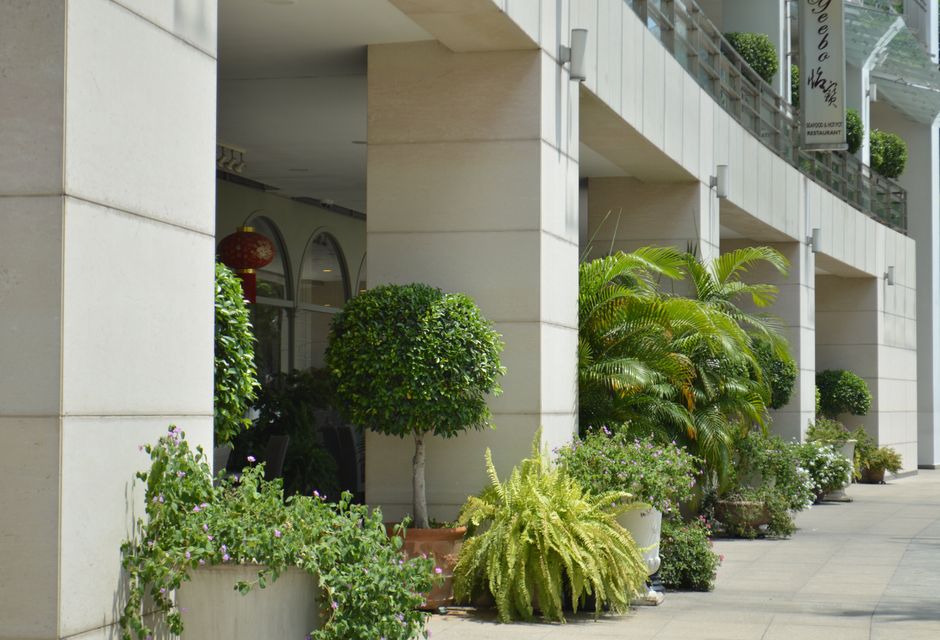
Bentall Centre shop garden maintenance by Kingston gardeners
If you manage a shop near Bentall Centre, you already know the outside space does more than "look nice". It frames the customer experience before anyone steps through the door. Bentall Centre shop garden maintenance by Kingston gardeners is really about that first impression: neat planters, controlled growth, clean hard edges, healthy planting, and a frontage that feels cared for rather than left to chance. In a busy retail environment, that matters every single day.
Truth be told, commercial garden care is often underestimated until something goes wrong. One windy week and the displays look tired. A few missed cuts and the whole frontage can start to feel cluttered. This guide walks through what good shop garden maintenance looks like in practice, how it works, who needs it, and the sensible way to plan it so your premises stay presentable without becoming a headache.
It also covers practical checks, common mistakes, and the kind of detail that helps you choose a maintenance approach with confidence. If you want a broader view of the services that can support a retail frontage, you may also find the services overview useful, especially when you are comparing routine upkeep with bigger seasonal work.
Expert summary: the best shop frontage maintenance is not about doing everything at once. It is about small, regular, well-timed tasks that keep planting healthy, pathways clear, and the whole entrance area looking intentional. That's the trick, really.
Table of Contents
- Why Bentall Centre shop garden maintenance by Kingston gardeners Matters
- How Bentall Centre shop garden maintenance by Kingston gardeners Works
- Key Benefits and Practical Advantages
- Who This Is For and When It Makes Sense
- Step-by-Step Guidance
- Expert Tips for Better Results
- Common Mistakes to Avoid
- Tools, Resources and Recommendations
- Law, Compliance, Standards, or Best Practice
- Options, Methods, or Comparison Table
- Case Study or Real-World Example
- Practical Checklist
- Conclusion
- Frequently Asked Questions
Why Bentall Centre shop garden maintenance by Kingston gardeners Matters
A retail frontage works hard. It has to look good in the rain, in winter light, during a lunchtime rush, and on the sort of ordinary weekday when nobody is trying very hard and everyone is just passing through. That is exactly why Bentall Centre shop garden maintenance by Kingston gardeners matters: the planting and surrounding outdoor areas are part of the brand whether you treat them that way or not.
For shops around a major centre, the exterior environment also has a practical job. Overgrown planters can obstruct movement. Drooping plants can make entrances feel neglected. Debris, deadheading, leaf litter, and weed build-up send the wrong message fast. You might have an excellent window display inside, but if the outside looks scruffy, people notice. Often before they realise they've noticed.
Good garden maintenance supports the retail experience in a subtle but real way. It helps the frontage feel safe, tidy, and easy to approach. It also protects the time and money invested in planted displays, seasonal containers, and any soft landscaping around the store edge. The more exposure a garden has to footfall and urban weather, the more it benefits from consistent care rather than occasional rescue work.
There is a local angle too. Kingston's mix of busy town-centre activity, changing weather, and high pedestrian movement means commercial gardens need to be managed with an eye on appearance and durability. The best approach is calm, regular, and sensible. Not flashy. Just dependable.
If your premises need more than routine tidying, services such as garden maintenance and garden clearance can work together, especially when a site has become overgrown or fallen behind after a busy period.
How Bentall Centre shop garden maintenance by Kingston gardeners Works
In practical terms, shop garden maintenance is a scheduled system of small tasks. It usually starts with a site review, because not every frontage needs the same level of attention. A planter with seasonal bedding has different needs from a drought-tolerant display. A compact entrance strip is handled differently from a larger boundary garden or courtyard space. That sounds obvious, but it is where a lot of problems begin.
A solid maintenance routine normally includes a mix of the following:
- deadheading and removal of faded flowers
- weeding of beds, borders, and planters
- light pruning and shaping
- lawn care where turf is present
- hedge and shrub trimming where needed
- clean-up of leaves, litter, and debris
- watering checks, especially in dry spells
- monitoring for disease, pests, or plant stress
- seasonal refreshes and planting changes
For some locations, mowing and edging are a regular part of the job, which is where a dedicated lawn mowing service fits neatly into the picture. For others, the focus is on planters, hedges, and decorative beds rather than turf. If shrubs or boundary planting need ongoing shape and control, hedge trimming may be part of the schedule too.
A good gardener will also notice the small stuff. A cracked planter, a blocked drain grate, soil washing onto paving after heavy rain, a plant leaning into foot traffic. Nothing dramatic. Just those little clues that tell you a frontage is starting to drift. Catching them early is what keeps the space looking sharp.
In a retail setting, timing matters. Early-morning visits are often best because work can be completed before customers arrive. Seasonal changes may call for more frequent attendance, while quieter months can sometimes be managed with lighter touch visits. The exact rhythm should follow the site, not the other way around.
Key Benefits and Practical Advantages
The value of regular shop garden care goes well beyond neatness, although neatness is certainly part of it. A well-maintained frontage can influence how people feel before they even enter the building. You can almost feel the difference walking past a shop that looks cared for: cleaner edges, healthier planting, less visual noise. It just feels easier on the eye.
Here are the main benefits businesses usually notice:
- Stronger first impressions: tidy planting and clean edges suggest care, order, and professionalism.
- Safer access: clear paths, trimmed growth, and low debris help reduce avoidable trip and obstruction risks.
- Better plant health: regular maintenance spots issues early and supports longer-lasting displays.
- Lower long-term costs: routine upkeep is usually easier than letting problems build up and then paying for recovery work.
- Consistent branding: a well-kept exterior supports the look and tone of the shop itself.
- Less disruption: small, regular visits are easier to manage than large, infrequent tidy-ups.
One practical advantage that gets missed is predictability. If your shop frontage is maintained on a schedule, staff don't end up improvising with bins, brooms, or rushed last-minute fixes before opening. That's not the best use of their time, let's face it.
There is also a sustainability angle if you choose planting that suits the site. Drought-tolerant species, sensible mulching, and right-sized planters can reduce waste and watering pressure. If this matters to your business, you may want to review a provider's recycling and sustainability approach too, especially for green waste handling and seasonal refreshes.
Quick takeaway: good commercial garden maintenance protects appearance, reduces hassle, and makes a retail frontage easier to manage every week, not just when someone suddenly notices it needs attention.
Who This Is For and When It Makes Sense
This kind of service is most useful for shops that have any planted exterior area at all: planters, pots, boundary beds, entrance displays, small lawns, raised beds, or shared soft landscaping around the frontage. It also makes sense where footfall is high and presentation needs to stay consistent through the working week.
It is especially relevant for:
- independent retailers with a visible frontage
- multi-unit commercial sites with shared planting
- shops with seasonal floral displays or changing entrance features
- businesses where the exterior is part of the customer journey
- premises that need regular tidy-up before trading hours
- sites with plant stress caused by shade, wind, heat, or heavy foot traffic
Sometimes the need is obvious. A front bed is full of weeds, the hedge is pushing out over the pavement edge, or the display has gone patchy after a wet spell. Other times it is more subtle. The planting is technically alive, but it no longer looks purposeful. You know the feeling when a space is nearly fine but not quite? That is often the point where maintenance becomes worth it.
For larger exterior changes, a maintenance plan may sit alongside landscaping or landscape gardening if the site needs redesign, replanting, or a better layout. Maintenance keeps things going; landscaping improves the bones of the space.
It also makes sense after periods of neglect, refurbishment, staff turnover, or seasonal pressure. If your team has simply had other priorities, that is normal. Commercial gardens are often the first thing to slip, because they are easy to postpone. Until the weather gets warm and the weeds seem to double in size overnight. Funny how that happens.
Step-by-Step Guidance
If you are trying to build a practical maintenance routine for a shop near Bentall Centre, this is the simplest way to think about it.
- Survey the frontage properly. List all planted areas, hard surfaces, access points, planters, and any awkward corners where litter or weeds collect.
- Decide what needs routine care versus seasonal care. Some jobs are weekly or fortnightly; others are only needed at planting changes or after growth spurts.
- Separate cosmetic tasks from structural issues. Deadheading and weeding are maintenance. Poor drainage, broken edging, or an exhausted planting scheme may need a bigger intervention.
- Set the visit frequency. Busy frontages often need regular attention, while lower-impact spaces may do well with less frequent but thorough visits.
- Agree on priorities. Entrance sightlines, customer access, and high-visibility areas should come first.
- Choose the right seasonal tasks. Spring and summer usually need more growth control; autumn often needs leaf and debris management; winter may need resilience checks.
- Review after the first few visits. If plants are drying out, edging is slipping, or some areas are more demanding than expected, adjust the plan.
That last step matters more than people think. A maintenance plan should not be fixed in stone. If one bed gets blasted by sun in the afternoon and another sits in shade all day, their needs will differ. Same site, different microclimates. It's a small thing, but it changes everything.
For overgrown areas, it is often worth starting with a one-off clear-down before moving into routine maintenance. In those cases, garden clearance can reset the space so regular upkeep is actually achievable. A messy beginning does not have to stay messy.
Expert Tips for Better Results
After enough site visits, certain habits stand out. The well-kept frontages are not always the ones with the most expensive planting. They are usually the ones with the right mix of simplicity, consistency, and restraint.
1. Choose plants that can handle the site. A plant that looks brilliant in a sheltered courtyard may struggle at a windy retail frontage. Sun, shade, reflected heat, and foot traffic all matter. Pick for conditions first, aesthetics second. Ideally both, of course.
2. Keep the design readable. Too many varieties can make a small frontage look busy and harder to maintain. A calmer structure is often easier to keep neat and looks more polished from a distance.
3. Mulch where suitable. In planting beds, a good mulch layer can help suppress weeds and retain moisture. It is one of those boringly effective jobs. Not glamorous, very useful.
4. Don't let one missed visit become three. A skipped round of maintenance can snowball quickly in a public-facing space. By the time someone notices, the visual damage is often worse than the actual plant damage.
5. Keep edging crisp. Clean edges around paving, beds, and borders can make the whole frontage look fresher even if the planting itself has not changed much.
6. Plan for the public face, not the ideal garden. A shop frontage needs to withstand weather, dust, and busy people walking by. It has to work in real life. That means durable planting and practical upkeep, not just pretty pictures.
One more thing: communication helps. If the gardener knows when deliveries arrive, when the shop opens, and which areas customers regularly use, they can work with the site instead of against it. It saves awkward moments. And the occasional apologetic shuffle around a trolley.
Common Mistakes to Avoid
Most frontage problems come from avoidable habits, not from bad luck. A few small missteps, repeated over time, can make even a decent site look tired.
- Waiting too long between visits. Commercial gardens are not forgiving about drift.
- Using plants that are hard to maintain. If they need constant rescue, they are the wrong plants for the site.
- Ignoring drainage or water stress. Plants can look "fine" right up until they don't.
- Leaving hard surfaces out of the maintenance plan. A neat bed next to a dirty path still looks neglected.
- Mixing too many responsibilities into one vague arrangement. Clear scope avoids confusion about what gets done and when.
- Forgetting seasonal transitions. What works in May may not hold up in October.
A surprisingly common mistake is assuming maintenance is only about plants. It is not. A frontage includes the space around the planting too: edges, access, litter management, and the visual lines that guide people in. If the setting around the plants is messy, the plants have to work twice as hard.
Another one: letting a first tidy-up do all the work. It feels good to see the place transformed, sure. But without a follow-up schedule, the same issues creep back. Fast. Very fast, sometimes.
Tools, Resources and Recommendations
For a professional maintenance visit, the toolset depends on the site, but a reliable setup usually includes hand tools for weeding and pruning, clean cutting equipment for neat trimming, bags or tubs for green waste, and simple cleaning tools for hard landscaping around the planting.
On the planning side, the most useful resource is a clear maintenance brief. It does not need to be complicated. In fact, overly long instructions can make things messy. What helps most is a short list covering:
- the areas to be maintained
- the desired appearance level
- visit frequency
- watering responsibilities
- access times and site restrictions
- preferred priorities if time is limited
For larger or more demanding sites, it can also help to align garden maintenance with related services. For example, if the front area includes hedging, regular hedge trimming may be more efficient than ad hoc cutting. If the site has mature trees close to the frontage, you may need to consider tree lopping and removal in specific circumstances where safety, clearance, or excessive shade becomes an issue.
When the overall site needs a broader refresh, a provider that also handles landscaping can be useful because the transition from maintenance to improvement is smoother. No need to juggle five different contractors if one team can see the whole picture.
If you are comparing providers, a helpful place to start is the pricing and quotes information, plus the company background on about us. It gives you a better feel for how the service is structured before you make a decision.
Law, Compliance, Standards, or Best Practice
For commercial garden maintenance, compliance is usually less about dramatic legal complexity and more about good housekeeping, safe working, and sensible site management. Still, it matters. A shop frontage is a public-facing environment, and that means care around access, trips, tools, waste handling, and general safety should always be taken seriously.
In the UK, businesses are generally expected to keep external areas reasonably safe and well managed. That means avoiding obvious hazards such as obstructed walkways, unstable planters, overhanging growth, or debris that could affect customers or staff. Exact duties can vary by site and circumstance, so it is wise to treat this as a practical responsibility rather than a box-ticking exercise.
Good practice usually includes:
- keeping access routes clear
- removing cuttings and waste promptly
- using appropriate tools for the job
- following safe working methods around the public
- checking for slippery surfaces after watering or rain
- carrying out work at suitable times to reduce disruption
You may also want reassurance around contractor standards. A sensible provider should be able to explain their approach to safety and public-facing work. The pages on health and safety policy and insurance and safety are useful touchpoints here, because they show how the business thinks about risk, not just appearance.
Waste handling matters too. Green waste, packaging from planting material, and general site debris should be dealt with responsibly. If that side of the work is important to you, the sustainability approach on recycling and sustainability is worth reviewing. It is the kind of detail that often gets overlooked until the end of a job, which is a bit backwards really.
Options, Methods, or Comparison Table
Not every shop frontage needs the same service model. Some sites are best handled with light, regular visits. Others need a more hands-on arrangement, especially after refurbishment or during peak growing season. Here is a straightforward comparison to help you think it through.
| Approach | Best for | Pros | Limitations |
|---|---|---|---|
| Light-touch maintenance | Small, low-growth planters and tidy frontages | Lower disruption, predictable upkeep, cost-efficient | May not suit busy or fast-growing sites |
| Routine scheduled maintenance | Most retail frontages with visible planting | Keeps standards steady, prevents build-up, easier planning | Needs regular access and clear priorities |
| Maintenance plus clearance | Sites that have become overgrown or neglected | Resets the space, makes future upkeep practical | Usually more intensive at the start |
| Maintenance plus landscaping | Frontages needing redesign or long-term improvement | Improves function and appearance together | Requires more planning and a bigger budget commitment |
In practice, most businesses end up somewhere in the middle. A full redesign is not always needed. Equally, a tiny monthly tidy-up is not enough if the planting has outgrown its space or the entrance is visually weak. Choosing the right method is mostly about honest assessment. A little bluntness helps here.
Case Study or Real-World Example
Picture a shop frontage near Bentall Centre with two raised planters by the entrance, a short strip of turf, and a hedge line that frames the walkway. The site looked acceptable in early spring, but by midsummer the planters were tired, the turf was patchy, and the hedge had started to lean into the access route. Nothing catastrophic. Just enough to make the place feel a bit slack.
The first step was a reset visit. Weeds removed, old growth cut back, edges cleaned, and the planting thinned and refreshed where needed. The hedge was brought back into shape, which instantly changed how the entrance read from the pavement. After that, the site moved onto a maintenance schedule with lighter but more regular visits.
Within a few weeks, the difference was obvious. The frontage looked calmer. Staff stopped doing the pre-opening scramble with a bin bag and a pair of gloves. Customers approached the entrance more cleanly because the path felt open and cared for. The odd thing is, nobody walked in saying, "lovely hedge". But people did comment that the whole place felt brighter. That's the real win.
For a site like that, the maintenance wasn't glamorous. Mostly it was steady trimming, weeding, edging, and keeping the planting healthy through a hot spell. Simple jobs. Done properly. And that is often enough.
Practical Checklist
Use this checklist if you are planning or reviewing shop garden maintenance for a retail frontage.
- Are all entrance areas clear and easy to approach?
- Do planters, beds, and borders look intentional rather than left to chance?
- Is weed growth under control?
- Are plants healthy, watered appropriately, and suited to the site?
- Do hedges and shrubs stay within their intended shape and boundary?
- Are paths, steps, and adjacent hard surfaces free from cuttings and debris?
- Is there a sensible schedule for seasonal changeovers?
- Have any drainage, shade, or exposure issues been noticed and recorded?
- Are waste and green material removed responsibly?
- Is there a clear point of contact if the site needs extra attention?
If you can answer "yes" to most of those, you are in good shape. If not, that does not mean the site is failing. It usually just means the system needs tightening up a bit.
Conclusion
Bentall Centre shop garden maintenance by Kingston gardeners is about more than keeping plants alive. It is about protecting the look, feel, and everyday usability of a retail frontage in a busy public setting. When the outdoor space is tidy, healthy, and managed with a light but regular hand, the whole business benefits.
The best results come from simple habits: the right plants, the right schedule, a clear maintenance brief, and a realistic view of what the site actually needs. No drama, no overcomplication. Just steady care that keeps the entrance working well for customers and staff alike.
If your frontage has started to drift, or if you want a more dependable routine before the season changes again, it is worth taking action now rather than letting the space get away from you. A well-kept exterior has a quiet sort of confidence to it, and honestly, that can carry a lot further than people expect.
Get a free quote today and see how much you can save.
And if you want to understand the company behind the service before making a decision, you can also visit the about us page or review the terms and conditions so you know exactly how things are set out.
Frequently Asked Questions
What does Bentall Centre shop garden maintenance by Kingston gardeners usually include?
It usually includes weeding, trimming, deadheading, edging, debris removal, plant health checks, and seasonal tidying. Some sites also need lawn care, hedge trimming, or occasional clearance if growth has got away from them.
How often should a shop frontage be maintained?
That depends on the size of the planting, the season, and how exposed the site is. Busy retail frontages often benefit from regular visits, while smaller or slower-growing spaces may need less frequent but still consistent attention.
Is this service only for large shops?
No. Small independents, chain stores, and shared retail spaces can all benefit. Even one or two planters can make a difference if they are visible from the street and contribute to the customer experience.
What is the difference between garden maintenance and garden clearance?
Garden maintenance is the ongoing care that keeps a site tidy and healthy. Garden clearance is more of a reset job, usually used when a space has become overgrown, neglected, or cluttered and needs a bigger clean-up first.
Can garden maintenance help reduce long-term costs?
Yes, often it can. Regular attention usually stops small problems turning into larger, more expensive ones. It also helps preserve planting so you are not replacing things as often.
Do I need landscaping as well as maintenance?
Not always. If the space already works well, maintenance may be enough. But if the layout, planting scheme, or hard landscaping is awkward, then landscaping can improve the structure before maintenance takes over.
What should I look for in a reliable maintenance provider?
Look for clear communication, practical site knowledge, sensible scheduling, and a proper approach to safety and waste handling. A provider that explains their process clearly is usually easier to work with.
How does hedge trimming fit into retail garden care?
Hedge trimming helps keep boundaries neat, prevents growth from spilling into walkways, and improves the overall shape of the frontage. It is especially useful where hedges frame entrances or shared access paths.
Can maintenance be done outside trading hours?
Often, yes. Many retail sites prefer early-morning work or quieter times so customers are not disrupted. The best timing usually depends on access, deliveries, and how the shop operates.
What if the frontage has poor drainage or difficult shade?
Then the maintenance approach should be adjusted to suit the conditions. Sometimes that means changing the planting, sometimes it means modifying care routines, and sometimes both. A site review helps identify the real issue.
Is sustainability part of commercial garden maintenance?
It can be. Responsible green waste handling, sensible planting choices, and reduced waste all help. If this matters to your business, a provider's sustainability approach is worth checking before work begins.
How do I get started if the site is already messy?
Start with a clear assessment and, if needed, a one-off clearance to bring the space back under control. After that, put a regular maintenance plan in place so the same problems do not return.